
Affiliate marketing is probably one of the most popular ways to earn money online without needing to create your own products or handle customers directly. It’s a pretty simple idea, but the way it works, and how you approach it, can really impact your results. My goal here is to explain affiliate marketing in a way that’s genuinely helpful—especially for those starting from scratch or just curious about what it’s really all about.
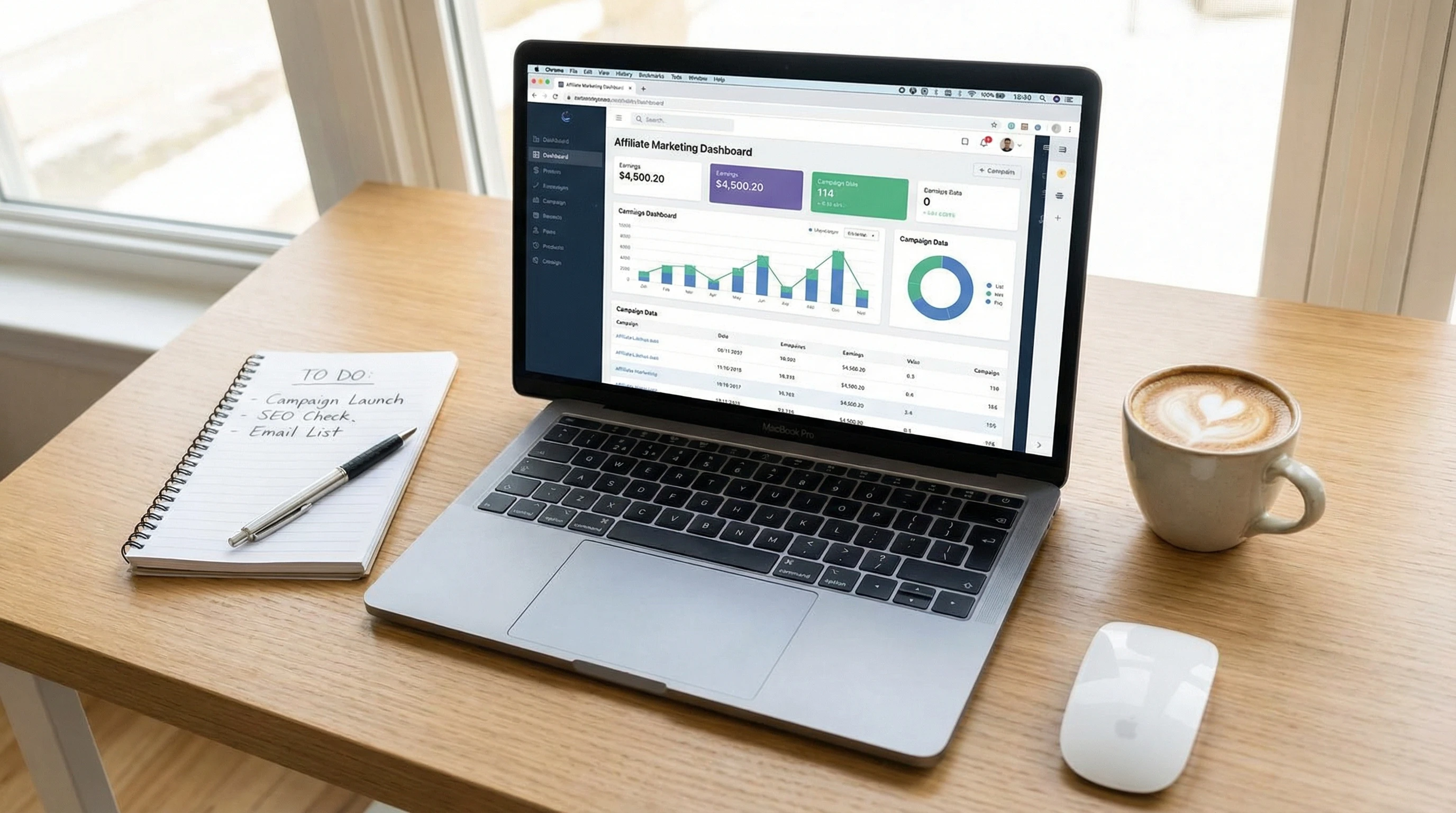
Affiliate Marketing Explained
So, in plain terms, affiliate marketing means promoting someone else’s products or services and earning a commission when people buy through your unique referral link. You’re basically connecting people who might want something with the businesses who sell it. There’s no need to create your own inventory or deal with shipping headaches. That’s one of the biggest reasons it’s so appealing, especially if you want to start an online business with low overhead.
Here’s how Kyle, who teaches about affiliate marketing on Wealthy Affiliate, breaks it down. Affiliate marketing isn’t just about sharing links or chasing commissions; the value comes first. You’re providing real value to people, helping them solve problems or make good choices, so they actually trust your recommendations. If you’re interested in Kyle’s approach, his in-depth introduction to affiliate marketing gives a clear, no-nonsense overview.
Why Value Comes First
Affiliate marketing only works when people find what you offer genuinely useful. If you’re just dropping links everywhere, nobody’s going to care, and you probably won’t see results. Instead, it’s about sharing helpful ideas, honest reviews, or clear step-by-step guides that actually help people out. Only after building that trust does recommending products (with your affiliate links) make sense, otherwise, it’s just noise.
For example, I once spent weeks researching the best budget laptops for students and wrote a detailed guide that explained what mattered and what didn’t. People got real, practical info, and because I was transparent about my experience and included affiliate links, some readers ended up buying through them. They found value, and I earned a commission. That’s how it should feel in affiliate marketing: help people first and the rewards come naturally.
How Affiliate Marketing Works Step-by-Step
To get a better feel for what happens in affiliate marketing, here’s a sketch:
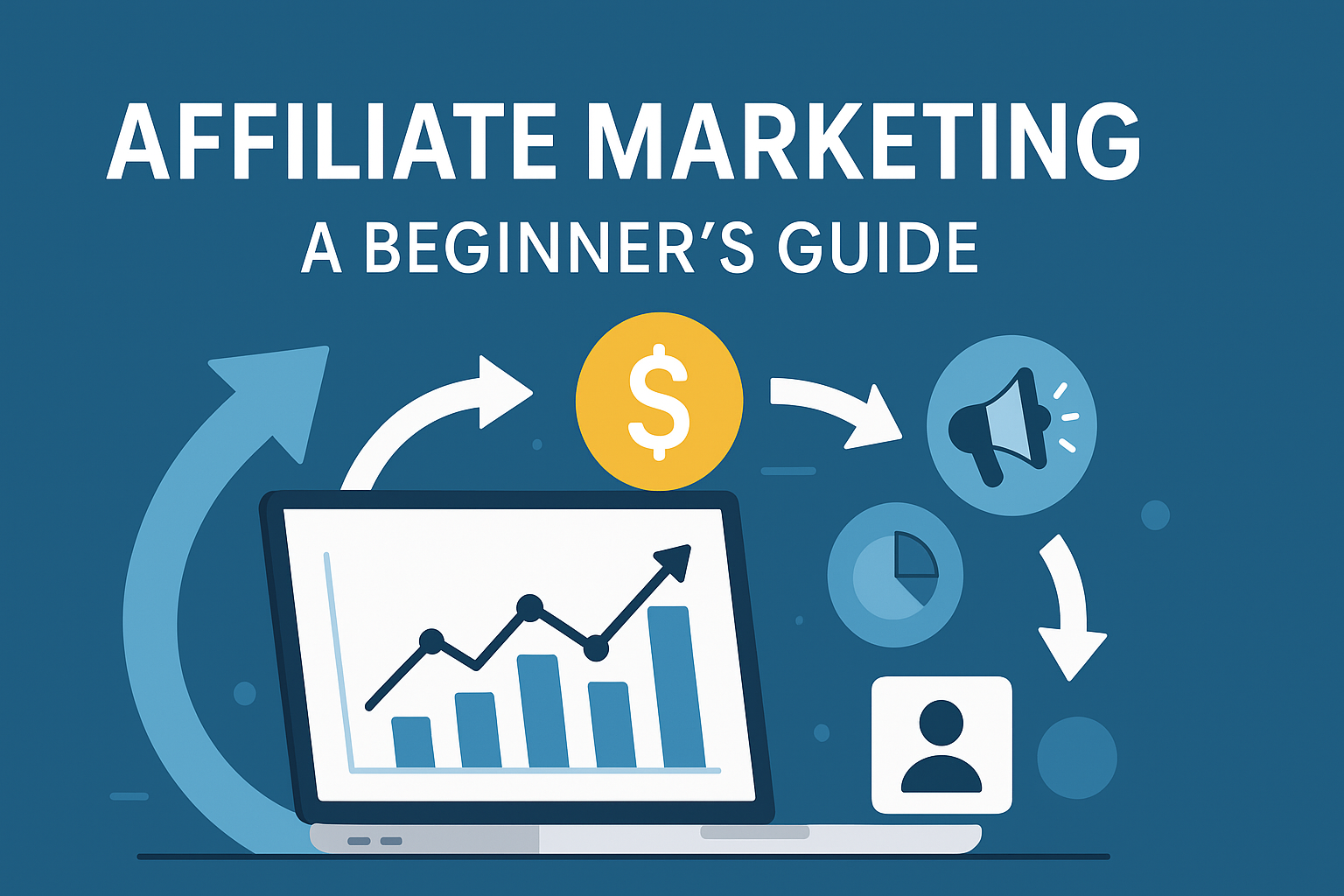
- Join an Affiliate Program: Sign up for a company’s affiliate program. You’ll get a special link or code that tracks clicks and sales.
- Share Useful Content: Create blog posts, videos, email newsletters, or social media content that offers value and smoothly weaves in your affiliate links.
- Your Audience Clicks the Link: When people find your content helpful, they might click your affiliate link.
- You Earn a Commission: If someone makes a purchase after clicking your link, you get a percentage of the sale. How much you earn varies by program.
This flow makes it easy for anyone with a passion for sharing helpful info to start building up affiliate income, even alongside a regular job.
Choosing the Right Affiliate Programs
Not all affiliate programs are worth your time. I always say it helps to pick programs that fit your interests and where you feel comfortable sharing insights or opinions. It’s much easier to build trust and offer valuable advice when you’re sharing something you actually know and care about.
- Relevance: The products or services should match your topic or niche. If you write about outdoor gear, promote related items, not random kitchen tools.
- Reputation: Check reviews of the company. If they have bad customer service or lots of complaints, skip them. Your credibility matters.
- Commission Rates: Some programs pay a few dollars per sale, while others can be way higher. It’s fine to start small, but look for programs that reward your effort fairly.
- Support & Resources: Good programs often offer banners, product data, and help if you’re new. These extras are super useful starting out.
Affiliate Marketing for Absolute Beginners
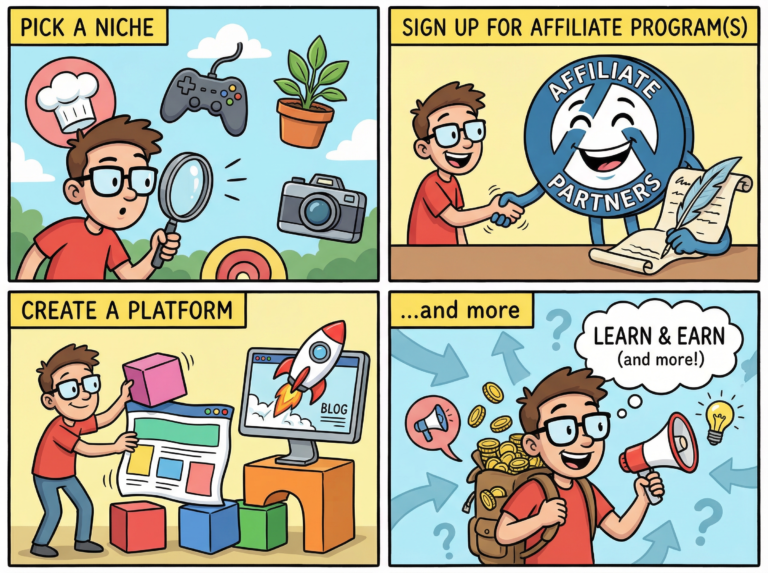
Getting started with affiliate marketing doesn’t need a massive audience or a fancy website. Here’s a practical beginner’s plan:
- Pick a Topic You Genuinely Like: If you’re interested in fitness, pets, or tech, choose that. Passion makes content creation fun instead of a chore.
- Start a Simple Website: There are lots of free resources and website builders. WordPress is pretty user-friendly. You can also use social media or video platforms if that fits better.
- Create Value-Driven Content: Write or record stuff your target audience is already searching for—how-tos, honest reviews, or problem-solving guides that answer real questions.
- Apply for Affiliate Programs: Search for “[your topic] affiliate program” or look for big networks like Amazon Associates, AWIN (previously ShareASale), or Commission Junction.
- Use Your Affiliate Links Appropriately: Instead of cramming links all over, drop them naturally where it fits the reader’s journey or solves their direct need.
Common Pitfalls and How to Avoid Them
It’s easy to think affiliate marketing is a quick way to make cash, but getting started takes patience and honest effort. Here are things I’ve seen new affiliates run into:
- Overpromoting: Bombarding your audience with product pitches pushes people away. Stick to value and only recommend things you’d use yourself.
- Choosing Products You Don’t Understand: Promoting stuff you know little about hardly ever leads to conversions and can sink your credibility.
- Ignoring Transparency: Always disclose when you use affiliate links. Not only is it a legal rule in many places, your readers will trust you more.
The moment you focus on helping instead of just selling, you start to see results. Consistency, real interest, and being upfront go a long way.
Tools and Skills That Make a Difference
You don’t need crazy tech skills to start with affiliate marketing, but a few tools and habits help a lot:
- Keyword Research Tools: Finding out what people are searching for in your niche means you can create content that’s in demand. Free tools like Google Keyword Planner or Ubersuggest work well for beginners.
- Analytics: Tracking clicks and sales lets you see what works. Programs usually provide dashboards for this, but Google Analytics can show where your traffic is coming from.
- Content Planning: Outlines and editorial calendars keep you organized, so you don’t get stuck figuring out what to create next.
If you’re new, start with free tools and simple methods, then get more advanced over time. The goal is to stay consistent and focused on practical, useful advice that your readers actually use.
Affiliate Marketing in the Real World
Affiliate marketing shows up all over the place, whether you’re reading a tech review on a blog or watching a favorite YouTube channel that mentions a product. Some people do it part-time alongside their main job, while others build it into their primary income. One thing’s clear: those who succeed focus on their audience’s needs, not just their own bank account.
A friend of mine, for example, started an Instagram account giving everyday pet care tips. After a year of sharing advice and thorough reviews, she teamed up with a couple of respected pet supply brands. Her audience trusted her because she never pitched products she wouldn’t use herself. The initial sales were slow, but once people saw her honest recommendations, commissions began to add up. It all came down to sharing genuine value and being real with her listeners.
Frequently Asked Questions
There are a few questions that always pop up when people are thinking about trying affiliate marketing:
How long does it take to earn money with affiliate marketing?
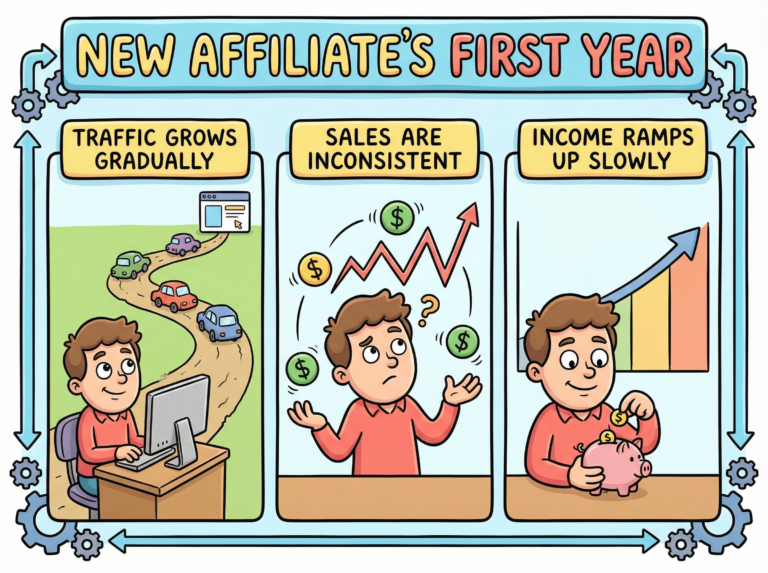
For most folks, it takes a little while to build up. You’ll probably need a few months of steady content creation and audience building before seeing regular commissions.
Can anyone do affiliate marketing?
Yes, but having patience, a real desire to help people, and a willingness to learn makes a giant difference. There’s no age limit or required background. All you need is a willingness to get started and stay consistent.
Do I need a blog to be successful?
You don’t have to have a blog, but it’s useful for sharing detailed information. You can also use YouTube, Instagram, TikTok, or email newsletters—basically wherever your audience spends its time. Pick the channel that matches your strengths.
Final Thoughts
Affiliate marketing is a solid option for people wanting to earn from sharing real advice, honest opinions, and helpful resources. It’s not about pushing products just to make a quick buck. Building trust and sharing genuine value is the heart of it all. That’s exactly what Kyle covers in his intro class, and I couldn’t agree more. If you focus on helping others first, the earnings follow naturally and your audience will stick with you for the long haul.
As you get started, remember it’s not about shortcuts—it’s about learning what truly helps people in your chosen niche. Keep it honest, stay dedicated, and remember: value always goes before promotion, every time.