
Affiliate marketing is one of those online income streams I keep coming back to for a really good reason: it just works, even if you’re new or don’t have your own products. If you’ve ever wondered how people post links on blogs or social accounts and end up earning from them, there’s a solid chance they’re doing affiliate marketing. In this guide, I’ll break down the mechanics, give you firsthand insights, and show you some smart ways to get started—including tools that can speed up your results.
What Is Affiliate Marketing?
Affiliate marketing is a pretty straightforward way for anyone to earn a commission by recommending products or services. Basically, you promote something you believe in (or at least think your audience will love), and when someone clicks through your unique affiliate link and makes a purchase, you get paid a percentage. You find products you like, sign up for their affiliate programs, and start sharing those links on your site, social media, or email list.
If you’ve seen blog posts with “recommended tools” sections or YouTube videos with links in the description, that’s affiliate marketing in action. It works for just about any niche, whether it’s tech, beauty, fitness, finance, or home DIY projects. Anyone with an online presence can do this—from hobbyists to full-on entrepreneurs.
How the Affiliate Marketing Process Works
Understanding the main pieces of affiliate marketing helps you see how the money actually flows. I’ve found it useful to break the system into four major components:
- Merchant: Sometimes called the seller, retailer, or brand. This is the company that makes the product or service. For example, if you’re promoting Amazon gadgets, Amazon is the merchant.
- Affiliate: That’s you (or anybody promoting the link). Affiliates get a special tracking link, so each sale can be traced back to them.
- Customer: The person clicking the link and (hopefully) buying the product. No sales, no commissions.
- Affiliate Network (optional): A platform that connects merchants with affiliates. Places like CJ Affiliate, AWIN (previously ShareASale), and even Amazon’s Associates program run the background tech to smooth the way for everyone.
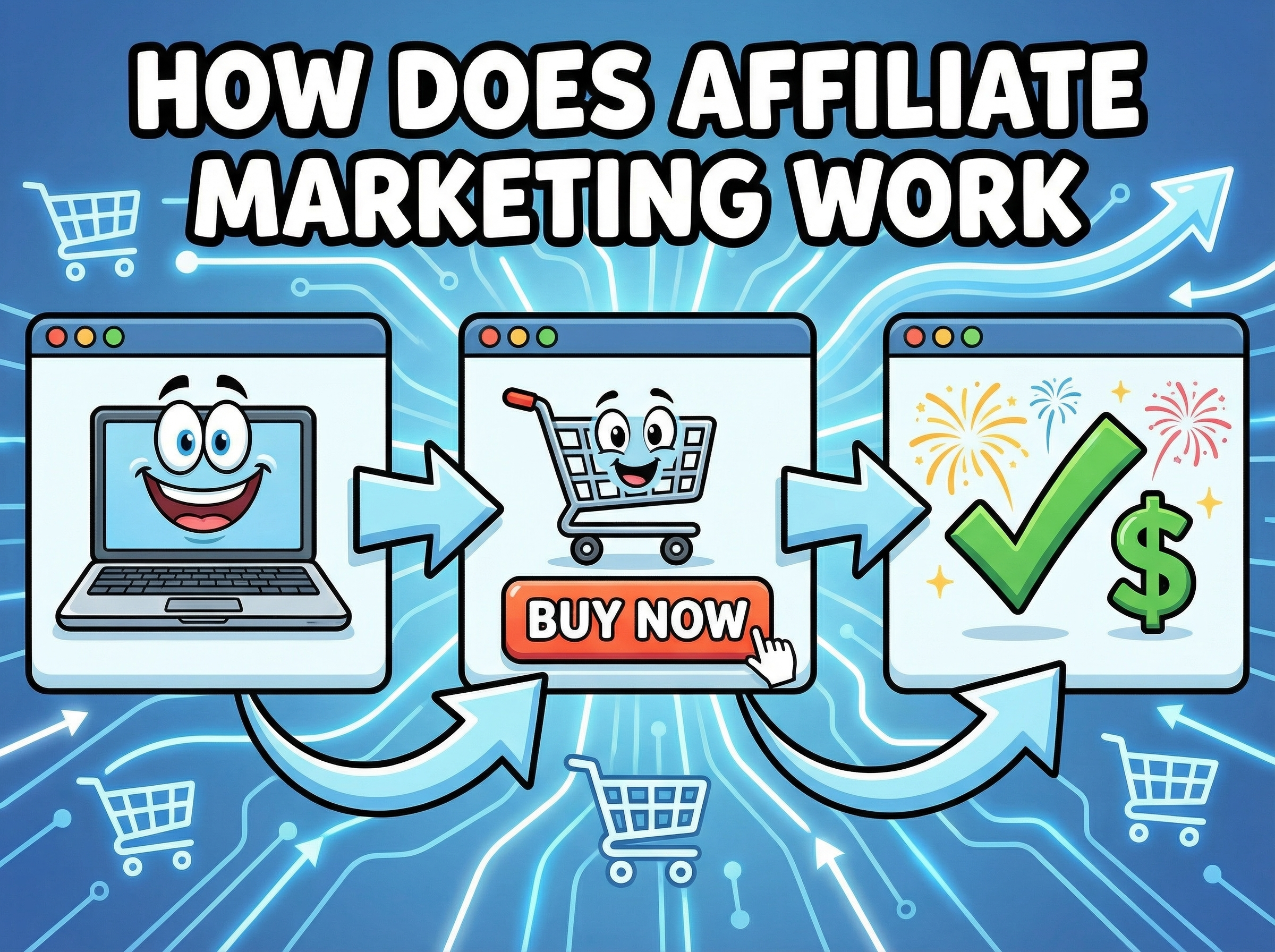
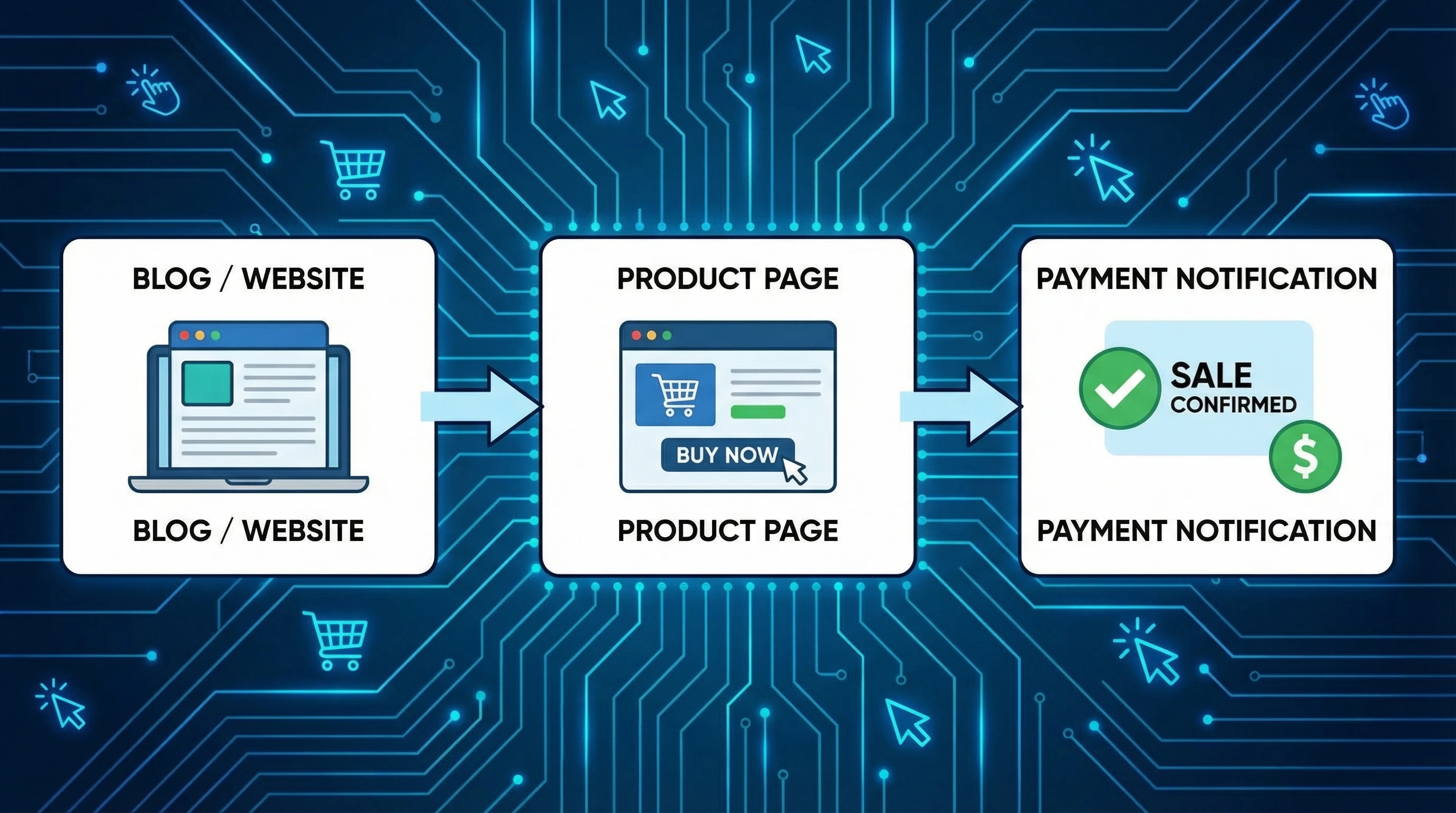
The process usually looks like this: You join an affiliate program, pick your favorite products to promote, and get a unique link that tracks clicks and purchases. You share the link (in a review, blog, Instagram Story, etc.), someone clicks and makes a purchase, and then the company pays you a cut. That’s it. Sometimes you need to hit a minimum payout to cash out, but once things are set up, the rest is handled automatically.
Types of Affiliate Marketing
Not all affiliate marketing looks the same. I’ve tried a few different approaches, and picking the right one can really shape your results:
- Content Based: This is probably the most popular. You create useful articles, YouTube videos, or podcasts and naturally weave in links. People love honest reviews, guides, and how-tos, so it works pretty well for traffic and trust.
- Coupon or Deal Sites: These focus on sharing discount codes or promotions. They can get massive traffic, especially around sales, but buyers might just be looking for a deal. It’s less personal but can rack up lots of clicks.
- Email Marketing: If you run a newsletter, adding affiliate links to helpful content (think roundups or recommendations) can drive sales from loyal subscribers.
- Paid Ad Campaigns: Some affiliates go all in with paid ads on Google, Facebook, or Pinterest to send targeted traffic to their affiliate offers. It’s got risk and reward and usually needs a bigger budget.
There’s no “one right way”—just try what fits your style and audience. You can always mix in some variety once you’re comfortable.
Getting Started as an Affiliate Marketer
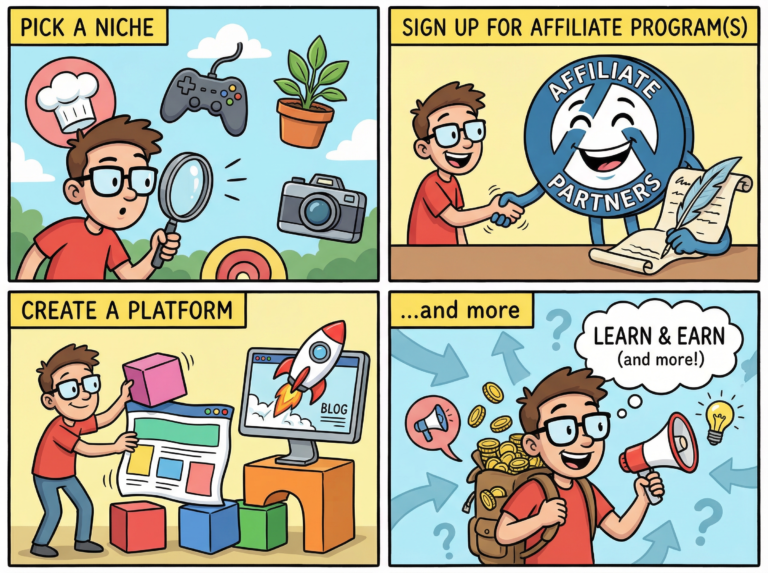
Starting with affiliate marketing doesn’t need to be complicated. My first steps looked something like this, and they still hold up:
- Pick a Niche: Go for an area you’re interested in or have some experience with. That could be anything from kitchen gadgets to personal finance or pet care. The more focused, the better.
- Find Affiliate Programs: Search for “{your topic} + affiliate program” or check networks like AWIN (previously ShareASale), CJ Affiliate, or Amazon Associates. You’ll find offers for most niches, with different commission rates and rules.
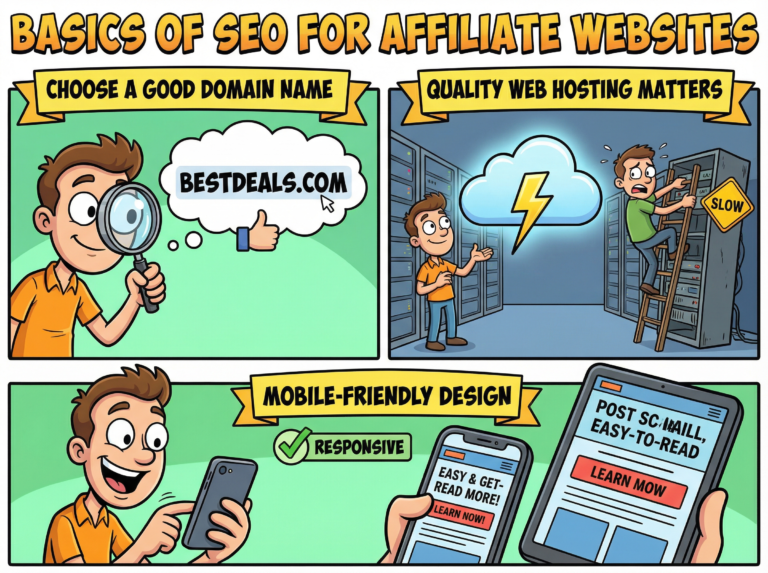
- Set Up a Website or Platform: Most affiliates use a blog or website. Platforms such as WordPress make it easy to get started. You could also go with a YouTube channel, Instagram, or TikTok if you prefer social sharing.
- Create Quality Content: Write product reviews, tutorials, comparisons, and lists. Real stories and honest opinions work best; nobody wants to read a sales pitch.
- Promote Your Content: Share it on social, grow your email list, or use SEO to attract visitors searching for answers in your niche.
The learning curve isn’t scary, especially when you keep things simple. Having a tool that guides you step by step (with training and community help) saves a lot of headaches—I’ll talk more about that later.
How Commissions Work
Commissions are the biggest motivator, so it pays to know how they’re set up. Here are some of the key ways I see companies offering payouts:
- Pay per sale: The most common model. You earn a commission when someone you refer makes a purchase. Rates vary, but typical commissions are from 1% on low ticket items (like electronics) up to 40% or even more for digital products or courses.
- Pay per click: Less common, but some programs pay you just for sending traffic, even if the person doesn’t buy.
- Pay per lead: Useful for niches where companies want email sign ups, demo requests, or trial signups. Payments are typically fixed at a certain rate per lead.
The details are always in the program’s terms, so keep an eye out for things like cookie duration (how long after a click you’ll still get paid for a sale), minimum payouts, and any restrictions.
Pros and Cons of Affiliate Marketing
I always recommend folks look at both sides, since affiliate marketing isn’t a magic ATM. Here’s what you can expect:
- Pros:
- Low startup cost—no need to create or ship products.
- Flexible, work from anywhere on your own time.
- Scalable; once your content ranks or gets traffic, it can bring in passive income.
- Cons:
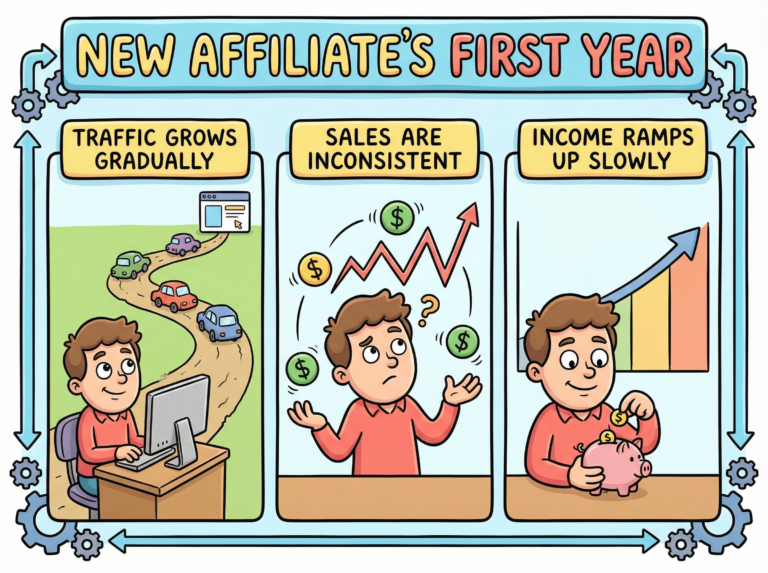
- Income is not instant; it takes time to build trust and traffic.
- Affiliate programs can change commissions or terms without warning.
- Competition can be tough in popular niches.
The people who see the best results treat it like a real business and focus on building value first. That’s the foundation for long-lasting success.
Building a Successful Affiliate Funnel
I learned pretty quickly that affiliate marketing isn’t just about slapping links everywhere. To really get results, you need a process—what a lot of folks call an “affiliate marketing funnel.” Mine usually looks like this:
- Attract Visitors: This starts with SEO content, social posts, or ads that get the right people to your page.
- Deliver Value: Give them information they can trust—solutions to their problems, product comparisons, or honest reviews. The goal is to help, not just sell.
- Build Trust: Share your experiences and be clear about what’s sponsored or an affiliate link. Readers appreciate honesty, and I’ve had folks thank me just for being up front.
- Encourage Action: Add strong calls to action (CTAs) that tell people what to do next, such as “See today’s price” or “Try this tool for free.”
- Capture Leads: It’s worth building an email list so you can follow up and share more offers down the line, not just rely on the first click.
This flow isn’t hard to set up, but putting it together step by step is easier with the right support. That’s actually why I recommend Wealthy Affiliate; more on that soon.
Common Affiliate Marketing Mistakes (And How to Avoid Them)
I’ve seen (and made) plenty of mistakes with affiliate marketing. Here are some big ones to skip:
- Chasing Commissions Over Value: Promoting random, high paying products that don’t match your niche isn’t helpful for building long-term trust. Always pick offers that actually fit your audience.
- Not Disclosing Affiliate Links: It’s crucial to add a heads-up when something is an affiliate link. Not just because regulations require it—people appreciate the honesty.
- Giving Up Too Soon: Affiliate marketing rarely brings in overnight results. Stick with it, improve your content, and focus on building real relationships with your audience.
- Neglecting SEO: Don’t forget about keyword research and search optimization. Consistent content that answers real questions brings in the best traffic over time.
- Ignoring Analytics: Keep an eye on your numbers to track down which posts or channels are working. That way, you can double down on what’s getting results and skip what isn’t.
Affiliate Marketing Tools Worth Checking Out
Having the right tools can give a boost to your affiliate marketing ride. Here are some I use or recommend to anyone starting out:
- Website Builders: WordPress (with plugins such as Pretty Links for managing affiliate links) is my favorite, but Wix or Squarespace work too for newcomers.
- SEO Tools: SEMrush or Ahrefs for keyword research can help your articles get found by the right audience.
- Email Marketing Platforms: ConvertKit and Mailchimp let you build a list directly from your website and automate your follow-ups.
- Training & Community: There’s real value in learning from people who’ve already built success. Wealthy Affiliate is where I picked up a ton of my strategies and got support at every step.
Wealthy Affiliate: Why I Recommend It for Affiliate Marketers
I always get questions about the best way to start affiliate marketing, and honestly, I’ve found Wealthy Affiliate is a major shortcut for beginners and even those who want to take things up a notch. The platform covers everything: website hosting, step by step training modules, and a supportive community that’s active pretty much all the time. There’s built-in keyword research, help for setting up your funnel, and plenty of real users sharing advice that works because they’ve already been in your shoes.
After bouncing around “affiliate guides” and forums, finding a centralized spot like Wealthy Affiliate gave me a major confidence boost. I can track my progress, get feedback, and even connect with other marketers in my niche. If you want a tool that holds your hand and gives you the support you need, it’s worth checking out.
Frequently Asked Questions About Affiliate Marketing
Question: How much can I make with affiliate marketing?
It depends on your niche, traffic, and effort. Some people earn enough for coffee every month, while others build six figure businesses. Consistency is key.
Question: Do I need a website to start?
You don’t need a website, but having one helps a lot with credibility and SEO. Social media works too, but owning your site gives you more control.
Question: How long before I see results?
It usually takes a few months to see steady sales. Building traffic, trust, and solid content are what matter most, so don’t get discouraged if it takes a bit of time.
Why Affiliate Marketing Is Still a Great Choice
Affiliate marketing is my favorite way to earn online. There’s no inventory, low risk, and you can grow at your own pace. As more people switch up their buying habits online, there’s a ton of room for new creators and voices. Focusing on sharing value, building trust, and using the right tools (like Wealthy Affiliate) makes creating winning funnels way easier and lets you put your energy into what you do best.
Curious about getting set up with step-by-step support? Take a free look at Wealthy Affiliate here. It’s a great resource for anyone wanting to turn affiliate marketing into a real income stream.