Affiliate marketing and social media usually sound like a perfect combo, but I’ve learned the hard way that not every approach works out. Plenty of folks end up frustrated, banned, or ignored because they fall for common mistakes that actually hurt their chances of earning commissions. It’s easy to get excited about the unlimited reach of platforms like Facebook, Instagram, or Twitter, but the wrong moves can get you nowhere fast.

Why Social Media Isn’t Always a Shortcut in Affiliate Marketing
Social media feels like a gold mine for sharing affiliate links. After all, billions of users log in daily. I thought dropping links everywhere would be the fastest way to earn. What ended up happening was the complete opposite. My posts got ignored, engagement tanked, and sometimes my accounts even got flagged for spam.
Platforms like Facebook, Instagram, and TikTok survive on user experience. If your content starts to feel spammy or pushy, algorithms notice. Even followers notice and start tuning you out. Social media success leans heavily on trust, value, and relationships. Without that foundation, people simply scroll past what you’re offering.
Big Mistakes with Social Media Affiliate Marketing
Over time, I spotted a few patterns. These slip-ups are easy for new affiliate marketers to make. If you can avoid them, you’re already ahead of the crowd.
- Spamming Links Everywhere: Posting affiliate links in Facebook groups, under Instagram posts, or in private messages can quickly land you in trouble. Platforms spot this behavior, and so do other users. Spam turns people off, and you might end up with a banned account.
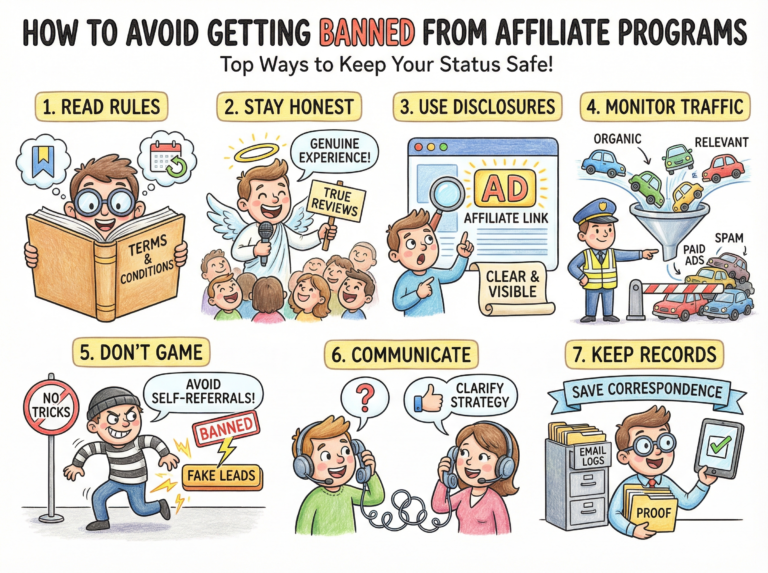
- Ignoring Platform Guidelines: Every network has its own rules about promoting products and posting affiliate links. I’ve seen accounts disabled overnight for ignoring these rules, even if that wasn’t the intent. Reading guidelines and community standards pays off.
- Not Disclosing Affiliate Relationships: Laws (like the FTC in the U.S.) require clear disclosure when you share affiliate links. Social media is public. Hiding or skipping disclosure not only loses trust, but it can bite you with legal trouble.
- Posting Without Value: I’ve scrolled past posts that were just “Buy this now!” Realistically, nobody feels excited about aggressive sales messages. The most effective affiliate posts teach, inform, or entertain before asking for anything.
How Social Media Algorithms Actually Work for Affiliate Content
I’ve learned to stop treating social media like a free for all billboard. Platforms want users to have a positive experience so they spend more time on the app. Algorithms reward posts that get good engagement (likes, comments, shares, saves) and penalize content that feels low value or overly promotional.
If your posts sound like copy and paste ads, they get buried. I found that mixing in stories, practical tips, or honest reviews alongside affiliate mentions got much better reach. Sometimes, a quick personal experience with a product says more than a straight up promo.
Real Stories: What Happens When You Get It Wrong
Early on, I joined a bunch of make money online groups on Facebook and dropped affiliate links without much thought. Some posts didn’t even last an hour before moderators deleted them. I even woke up to see my account in a warning state because of “unnatural activity.” All that effort went nowhere.
I’ve also watched friends post every day about their latest deals, only to end up with shrinking engagement. People started ignoring their stuff because it was always the same message: buy, buy, buy. It really showed me that blasting links is not a shortcut, it’s a fast track to being tuned out.
Better Ways to Use Social Media for Affiliate Marketing
I had to change my strategy. Instead of blasting links, I focused on building genuine connections. Here’s what really worked for me:
- Offer Real Value: Share tips, “how to” posts, or stories where the affiliate product solves a specific problem. People respond better when they feel you’re genuinely helping, not selling.
- Use Content, Not Just Links: I started posting short videos or helpful infographics. Sometimes I’d write mini-guides on a topic related to the product, mentioning the affiliate link as a next step.
- Get Involved and Build Community: Instead of just promoting, I’d ask questions, reply to comments, and open up about my own challenges. Connections matter a lot in affiliate marketing.
- Be Clear with Disclosures: Even a simple “(affiliate link)” at the end of a post builds trust. Readers appreciate transparency, and so do the platforms.
Why Funnels Beat Link Blasting Every Time
Social media is best at building curiosity and trust, not at closing sales. Sending people straight from a random post to an affiliate link skips too many steps. Most people need a little more information, follow up, and trust before buying. That’s where funnels come in. Funnels guide your followers from casual interest to an actual purchase in a more natural way.
Instead of posting direct links, I began inviting people to check out a free guide or join an email list for more tips. This keeps the conversation going beyond one social media post. I used to think this sounded complicated, but once I saw it in action, it made total sense. Funnels help you nurture leads and build a relationship, which leads to more sales in the long run.
Funnels aren’t just about capturing an email or sending a free PDF; they’re a sequence designed to guide your audience gently. For example, after offering value with a step-by-step tutorial, I invite followers to a private group, where they find even more in depth discussions and freebies. There, people ask even more questions and share experiences, making it a genuine community. The affiliate offers naturally fit because people trust the process and know I’m there to offer real help, not just pitch products. This slow burn connection has worked so much better than simply blasting links and hoping something sticks.
How I Got on Track with Wealthy Affiliate
Honestly, I was stuck and spinning my wheels until I found Wealthy Affiliate. Their training walks you through the right way to do affiliate marketing, especially when it comes to using social media the smart way.
With Wealthy Affiliate, I learned how to create valuable content, build real trust, and set up funnels that keep people engaged (instead of annoyed). They show you how to use honest reviews, smart SEO, and community building, way beyond just dropping links everywhere. The step by step guides and active community helped me fix my old mistakes and build something that actually works. If you’re frustrated by the lack of results, or if you’ve had that “uh oh” moment after a flagged account, it’s really worth checking out their free training here. It made a big difference for me.
Extra Pitfalls to Avoid on Social Media
- Over-automation: There are tons of tools that promise to automate posting and commenting. Going overboard with them just makes you look like a robot. The best engagement still comes from being human and authentic.
- Chasing Every Trend: It’s tempting to hop on the latest viral challenge, but if it doesn’t fit your niche, it can just feel desperate or off topic. Stick to content your audience actually cares about.
- Neglecting the Analytics: Some posts will do better than others. Checking your social media insights shows which type of content gets real engagement and helps you adjust as you go. I ignored analytics for too long and just kept repeating old mistakes.
- Ignoring Comments and DMs: Social media is a two-way conversation. If you leave questions or genuine comments unanswered, people move on. I always try to respond or at least “like” relevant comments now.
Frequently Asked Questions
Question: Can I share affiliate links in Facebook groups or on my profile?
Answer: Some groups allow affiliate links but always check their rules first. On your own profile, make sure you’re following platform and legal guidelines. Disclose clearly that it’s an affiliate link.
Question: Why aren’t my affiliate links working on Instagram?
Answer: Instagram doesn’t make links clickable inside the main post. The best way is to use the bio link or Story link feature, paired with content that encourages people to check it out.
Question: What’s the best type of content to share on social media for affiliates?
Answer: Content that teaches, solves problems, or entertains usually gets the most engagement. For example, mini product reviews, video demos, or useful tips related to your niche.
Question: How do I keep from coming off as just another salesperson?
Answer: Share personal stories, ask questions, and interact with your followers. Focus on helping, not just selling. Use social media as a platform to build relationships first.
Wrapping Up
Using social media for affiliate marketing needs a thoughtful approach. It’s all about building trust, providing value, and using the right tools. Skip the spam, focus on education and community, and create funnels instead of link blasts. Platforms like Wealthy Affiliate make it way easier to learn the ropes, so you stick with strategies that actually work. Investing time into doing affiliate marketing the right way pays off with stronger results and a lot less frustration.