
If you run an affiliate website or are thinking about building one, getting the basics of SEO down is going to make a huge difference in your traffic and earnings. The world of SEO isn’t as mysterious as it first seems. In fact, once I started picking up the basics, things like ranking in Google and getting more visitors felt a lot more doable. I’m going to break down the essentials of SEO for affiliate websites based on what I’ve used and what’s worked for me.
What Is SEO and Why Does It Matter for Affiliate Sites?
Search Engine Optimization (SEO) is about making your website easier for people to find when they search for related topics in engines like Google or Bing. For affiliate marketers, this is really important because the more visitors you get from search, the more chances you have for clicks and commissions. When I first started out, I assumed SEO was all about “tricking” Google, but it’s more about making your content helpful and easy to access so people (and search engines) find it valuable.
Affiliate sites can get buried in the search results if you don’t pay attention to SEO. Since most people click results on the first page of Google, showing up near the top is pretty handy. Focusing on the basics helps you steadily grow your traffic and avoid common mistakes new affiliate marketers make. That extra work up front pays off in both passive income and your brand’s reputation.
Setting Up Your Site for Success
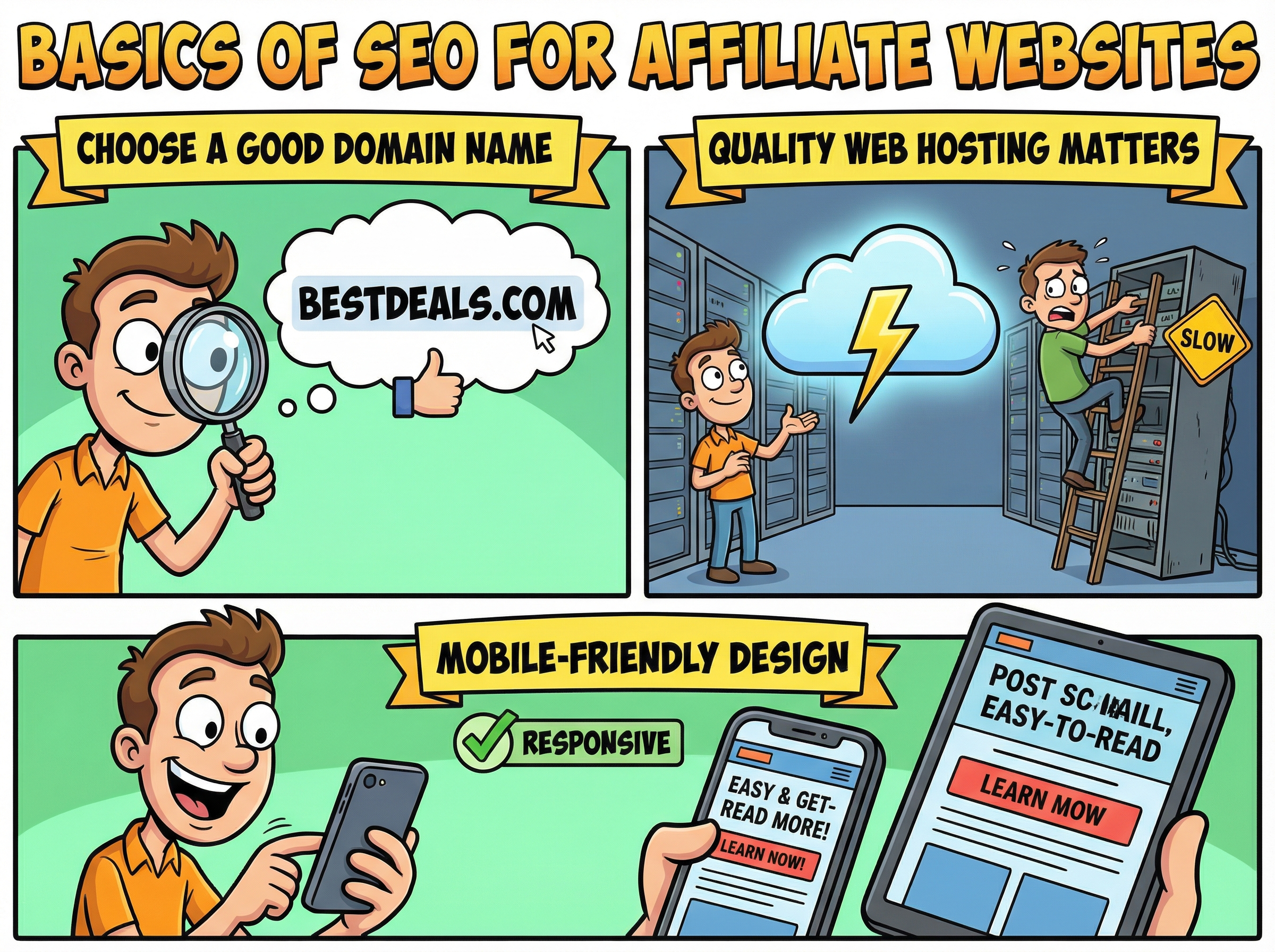
The foundation of SEO starts with your website. If you get the setup right from day one, it’s much easier to build traffic over time. Here’s what worked for me:
- Choose a Good Domain Name: Pick something catchy and related to your niche. Keywords in the domain aren’t magic, but a memorable name makes your site more trustworthy. Having a unique name also helps people remember and share your site more easily, giving you an edge in a crowded market.
- Quality Web Hosting Matters: Fast, reliable hosting keeps your site online and loads your pages quickly. Speed is a small ranking factor, and visitors are less likely to leave if your site loads fast. Consider hosts that offer good uptime guarantees and strong support, so you don’t have to worry about technical issues when scaling up your site.
- Mobile-friendly Design: Most visitors come from phones these days. Google pays attention to this, so make sure your site works great on all devices. It isn’t just about looking good; it’s about making sure people can use all your features and easily read your content on any screen.
I built my main affiliate site using tools and training from Wealthy Affiliate. Their hosting is solid and you get step-by-step help, which kept me from getting overwhelmed.
Choosing the Right Keywords
SEO is driven by keywords, and these are the words or phrases real people type into Google. Picking the right ones helps people find your site. I used to think I just needed to sprinkle some random words onto my pages, but the process is a bit more strategic.
- Start with Low Competition Keywords: When you’re new, going after popular keywords is tough because larger sites already dominate those. Instead, focus on more specific topics (called “longtail” keywords) that have less competition. For example, rather than going for “best laptops,” something like “best laptops for students under $500” is easier to rank for and attracts a specific audience looking for real solutions.
- Think About Search Intent: Ask yourself what visitors are really after when they type a keyword. This helped me create articles that answer real questions people have, which Google loves. If someone wants a comparison, don’t just sell—break down the pros and cons and actually help them decide.
- Use Simple Tools: I started with Google’s own suggestions at the bottom of the search page, and then used tools like Jaaxy (which you get access to inside Wealthy Affiliate’s membership) to dig deeper into keyword lists. Even free keyword research tools like Ubersuggest or Answer the Public can be useful for coming up with fresh angles and content ideas.
Creating Helpful and Engaging Content
Content is where affiliate websites rise or fall. My first few articles were way too focused on just linking to products. They didn’t provide much value, so they never ranked. Here’s what turned things around for me:
- Answer Real Questions: Find out what’s confusing about your niche or what solutions people are looking for. Guide-style posts, product comparisons, and honest reviews all work really well. Including answers to frequent questions and actually demonstrating product features goes a long way in building trust with your readers.
- Make It Easy to Read: Use short paragraphs, casual language, and clear subheadings, like you see here. Bulleted lists and images keep readers interested. Don’t be afraid to add some personality—sharing stories or little tips keeps your content from sounding robotic.
- Update Content Regularly: Outdated reviews or old prices chase people away. I set a reminder to check my main articles once a month and update anything that changed. Adding recent trends or new product launches helps keep your pages current, and it signals to Google that your site is being maintained actively.
One thing I really like about Wealthy Affiliate is their training on crafting content that is helpful and not just salesy. This is something search engines actually reward. Plus, by genuinely trying to help, you’re more likely to gain repeat visitors, which builds your reputation over time.
On-Page SEO: Optimizing Each Post
Even with the best content, a few technical tweaks help it perform better in search. Here are the basics that moved the needle for me:
- Use Your Keyword Naturally: Place your main keyword in your article’s title, meta description, and a few times throughout the post. Don’t overdo it; write for humans first! Stuffing keywords feels awkward to readers and can even hurt your ranking if overused.
- Optimize Headings: Break up your articles with H2 and H3 subheadings that include related keywords. This helps both readers and Google understand what your page is about, and makes it easier for readers to skim through the main points.
- Internal Linking: Link to other relevant posts on your website. Search engines use these links to crawl your site and figure out what’s important. It can keep visitors engaged on your site longer, increasing your chances for conversions.
- External Linking: Link to credible sources or references when it makes sense. It shows your content is well-researched and trustworthy. Don’t be afraid to reference authority sites; it improves your credibility.
- Add Images and Alt Text: Visuals break up content, and using descriptive alt text helps your images get found in search. Where possible, use original images or helpful graphics because they can increase time on page and get shared more often.
I used checklists from the Wealthy Affiliate platform to stay organized and make sure I didn’t forget these small but super important things. Consistently hitting these on-page SEO basics helps each page perform at its best.
Building Links to Your Site
Other websites linking to your content is like a vote of confidence in Google’s eyes. Getting backlinks isn’t as intimidating as it sounds. I started small:
- Write Guest Posts: Reach out to blogs in your niche and offer to write a helpful article. In return, ask for a link back to your site. Focus on providing value and unique perspectives—editors are much more likely to accept your pitch if it stands out.
- Resource Pages: Some websites have pages listing useful links. If your content fits, send them a short message recommending your page. Personalize your pitch; do a little research on their site so you know exactly where your link would be a good fit.
- Share on Social Media: Even basic shares from a new Facebook page or Reddit thread can get your first visitors and the attention of other bloggers. Don’t hesitate to get involved in online communities; answering questions and sharing insights builds relationships and naturally attracts backlinks.
The Wealthy Affiliate community can be pretty supportive for new projects. When I asked for feedback, a few members shared my posts, which actually got me my first handful of backlinks. It’s encouraging to see your content get picked up by others, and it motivates you to keep going.
Common SEO Pitfalls for Affiliate Marketers
It’s easy to fall into some traps when you’re new to affiliate marketing. Here’s what I learned to avoid:
- Too Many Affiliate Links: Flooding every article with links comes off spammy; focus on quality over quantity. Make sure your links actually help the reader and fit naturally into your content rather than just peppering them everywhere.
- Duplicate Content: Reposting manufacturer descriptions or copying other reviews gets your pages ignored by Google. Make everything original, even if you cover the same products as other sites. Share your own experiences or add extra info that others have missed to stand out.
- Ignoring Analytics: I didn’t use Google Analytics for months. Once I started, I could see what visitors liked (or skipped) and adapted from there. Analytics can show you which posts make sales or keep people reading, so you know where to put your energy next.
How Wealthy Affiliate Helped Me Build SEO-Focused Funnels
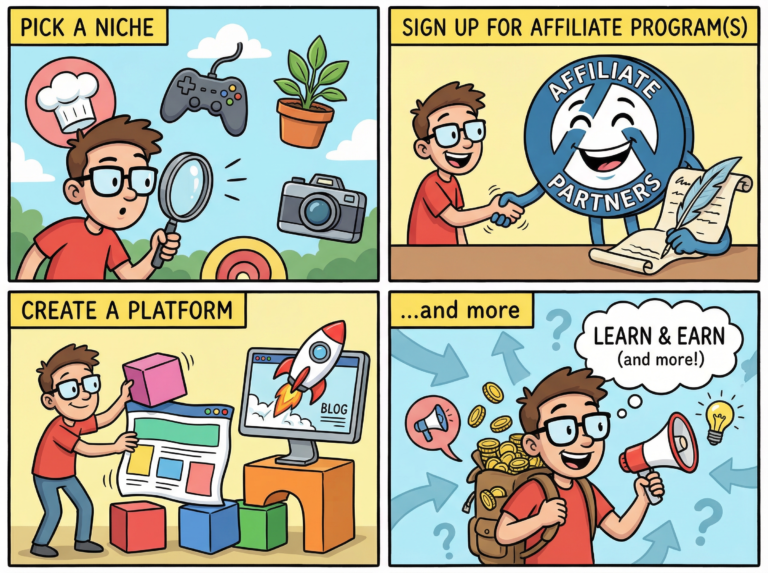
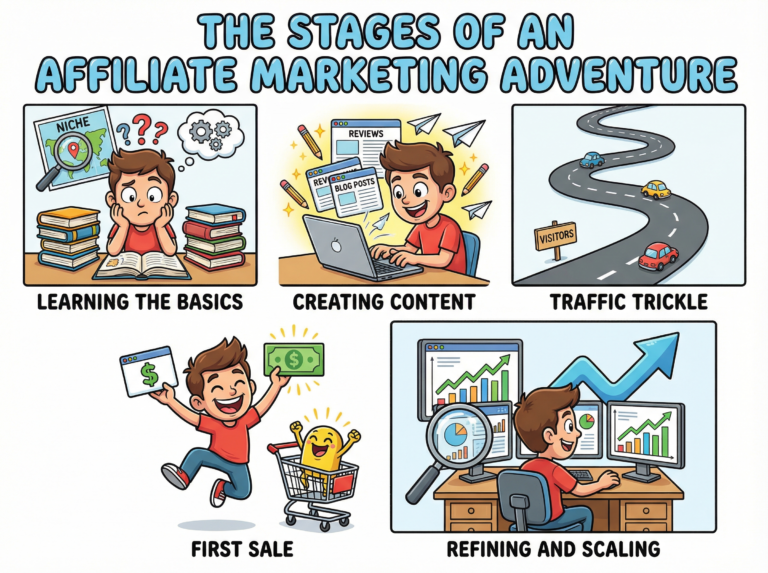
There’s a lot to juggle with affiliate SEO, especially when building out your funnels; basically, the path visitors take from a search engine to clicking your affiliate link. Wealthy Affiliate gave me step-by-step training, live help, and site-building tools that made each stage of building out my affiliate site way less stressful. Their advice helps with everything from coming up with niche ideas to writing your first blog post and then actually turning visitors into buyers. You can check them out here if you want the same kind of support I had.
Frequently Asked Questions About SEO for Affiliate Sites
How long does it take to see results from SEO?
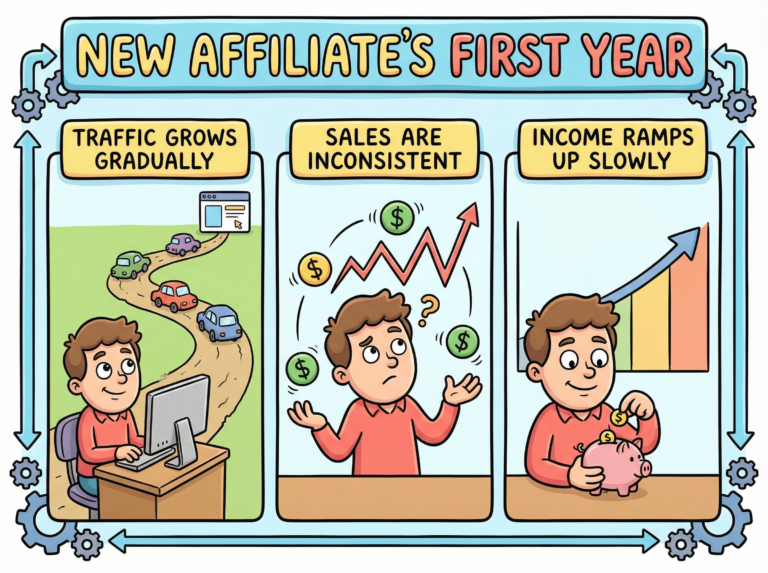
It depends on your niche and competition. For my first site, I started seeing steady traffic within 4-6 months. Consistency is key, so stick with it. Don’t get discouraged if growth is slow at first, since it adds up with time.
Can you do SEO without spending money?
Absolutely. You can use free tools and resources (I started this way), but a little investment in training or paid research tools saves time. Paid options usually offer deeper insights and save you hours of manual research, but they’re not essential to get started.
Do all affiliate sites need a blog?
Having a blog is super useful because it lets you post guides, product comparisons, and news updates that attract visitors and rank for more keywords. A regularly updated blog keeps your site active and opens up more ways to connect with your audience and answer their questions.
Final Thoughts
SEO for affiliate websites is mainly about laying a solid foundation, picking the right keywords, and creating genuinely helpful content. I picked up these habits over time, mostly by following what worked and learning from my mistakes. Platforms like Wealthy Affiliate made things way less overwhelming by walking me through the process step by step. Focusing on SEO doesn’t just bring in traffic, but it sets up your affiliate business for long-term growth. If you’re serious about building funnels and passive income, it’s definitely worth checking out.