Affiliate marketing can seem like a wild ride when you’re just starting out, but it really doesn’t have to feel overwhelming. I’ve spent plenty of time digging into the ins and outs, and I remember wishing I had a straightforward checklist to keep me focused. Here’s my beginner’s checklist for affiliate marketing success, plus some handy personal tips that helped me take things up a notch. These are extra useful when it comes to streamlining funnels and tracking actual results.

Understanding Affiliate Marketing Basics
At its core, affiliate marketing is all about promoting other people’s products or services and earning a commission each time someone buys through your special link. When I started, I thought you needed a massive audience or loads of complicated gear to see results. But that’s not the case. Anyone can get started—no list or website required—though having your own online home definitely helps down the road.
Here’s the basic rundown:
- Join an affiliate program: Companies offer programs where you can sign up to promote their products.
- Get your affiliate link: This is a unique, trackable link that tells the company when a sale is made thanks to your efforts.
- Share the link: You can promote it through your blog, social media, email, or even YouTube.
- Earn commissions: If someone buys or completes a specific action, you get paid; that’s the long and short of it.
Learning these basics helps keep your approach focused. Before I started, I also watched quick walkthroughs on using affiliate dashboards to get a feel for tracking clicks and sales.
The Beginner’s Affiliate Marketing Checklist
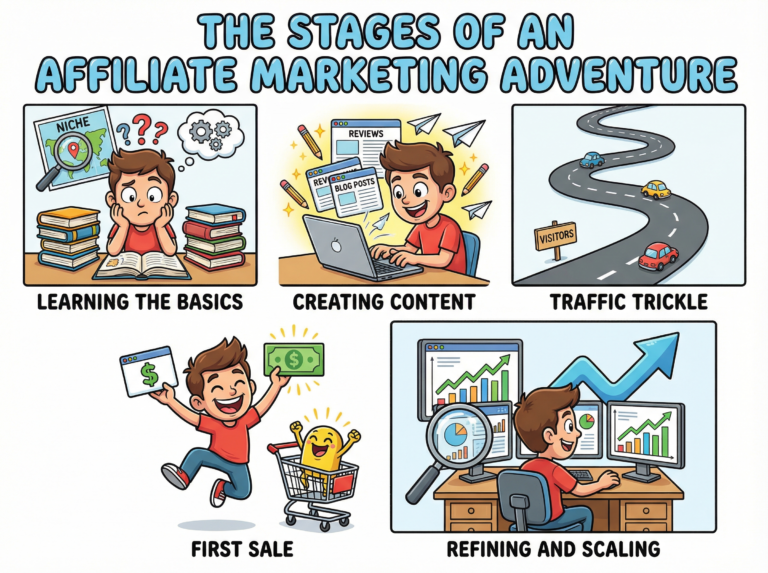
Having a step-by-step checklist close by helped me keep on track and see real progress. Here’s the core list I followed to set the foundation:
- Pick a Niche: Choose a topic that interests you or that you know a bit about. Popular topics include health, personal finance, hobbies, and tech. If you enjoy the subject, it’s much easier to keep things moving.
- Sign Up for Affiliate Programs: Networks such as Amazon Associates or AWIN (previously ShareASale) provide tons of products, so you can experiment to see what clicks with your audience. Don’t forget to check out product-specific programs too.
- Create a Platform: Whether it’s a website, blog, or focused social media page, you need a space to showcase your affiliate links. I began with a simple website using a drag-and-drop tool, and it worked great.
- Plan Your Content: Useful guides, reviews, and tutorials attract visitors and encourage clicks. By answering actual questions and offering honest takes, you build more trust and loyalty.
- Drive Traffic: Get to know basic SEO, promote your content on forums or social platforms, and consider simple paid ads once you see results.
- Track Your Links: Tracking shows what content and channels are bringing in the most clicks and sales. Most affiliate programs provide tracking, but free plugins and tools can also help.
- Keep Learning and Tweaking: Examine what’s working, check out successful affiliate websites for inspiration, and keep updating your game plan.
Sticking to a simple checklist kept me from getting distracted and helped me make steady progress from day one.
Choosing a Profitable Niche
The niche you pick can have a real impact on your early results. I figured out that topics that are too broad make it tough to stand out, but going too specific might mean too few people care. Subjects like fitness for busy dads, quick meals for college students, or budget travel hacks often land in the sweet spot.
To come up with ideas, I look at the questions people ask in forums and Facebook groups or check out what’s buzzing on Google Trends. And it’s crucial to make sure your niche has affiliate programs with products you feel good about recommending. If you’re interested in a subject, content creation comes naturally.
Picking Reliable Affiliate Programs
There are countless affiliate programs out there, but finding the right fit is key. Here’s what I look for before signing up:
- Are the commission rates fair?
- Do the products have good reviews and a solid reputation?
- Do they offer helpful analytics and tracking tools?
- Is their support team easy to reach and responsive?
Big networks like Amazon or ShareASale (now AWIN) are good starting points, but some private programs offer higher payouts or better suit your values. Always read the program rules. Some can be particular about how you share your links.
Setting Up Your Website or Platform
I kicked things off with a simple blog using WordPress. It’s easy to find guides for beginners, and there’s no shortage of support. If making a website seems daunting, don’t worry; there are plenty of user-friendly drag-and-drop builders. Having your own website builds credibility and lets you post reviews, tutorials, or helpful resource lists.
You don’t need an eye-catching design, just something clean and clear. Making your site simple to browse with genuinely helpful info makes all the difference. Creating a resource page or product comparison table was one of the best early tips I followed—it brings in clicks naturally without being in-your-face.
Creating Content That Gets Clicks
Content is where you truly help people and start building their trust. I focus on clear, friendly guides, use my own experiences when possible, and point out both pros and cons. Many of my best-performing posts answered common questions or compared two products I’ve actually tried.
These types of content are a good starting point:
- Step-by-step guides and tutorials
- Product roundups
- Pros versus cons comparisons
- Troubleshooting advice
Great content doesn’t need to be flashy, it just needs to solve a problem or answer a real question. Mixing in videos and simple graphics made my content more engaging, especially for mobile users.
Driving Traffic to Your Affiliate Links
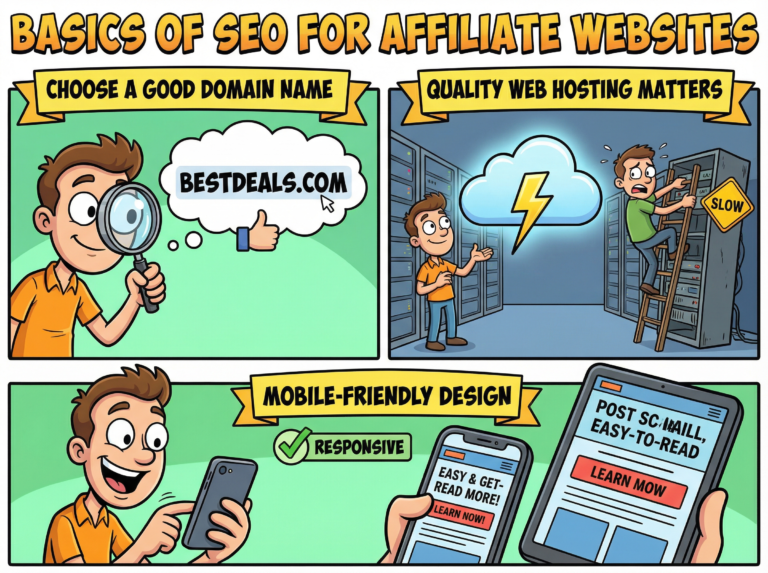
Without readers, even your best posts can get lost. Early on, I didn’t realize how important learning a few traffic methods would be. SEO basics are a must. They might sound technical, but once broken down, anyone can pick them up. Start by figuring out which keywords people actually search for, then answer their questions in your posts.
If you like to connect with others, answering questions in groups, on forums, or on Quora can help bring targeted visitors to your content. I tried Pinterest and YouTube too; after experimenting, both have sent steady visitors once I hit my stride.
Tracking Results and Optimizing Funnels
Tracking what’s working takes your marketing to the next level. It’s not just about more visitors—it’s about the right ones. I use built-in features from affiliate programs, Google Analytics, and tools like Pretty Links to see which posts and links are making a difference. This lets me spot what’s working and stop wasting effort where it doesn’t pay off.
This is also where I saw the real value of streamlined funnels. By guiding each reader from the first visit to a helpful recommendation or email signup, you greatly improve conversions. Even small tweaks like sharpening your headline or making your call-to-action stand out can boost clicks significantly.
How Wealthy Affiliate Helped Me Streamline Funnels
During my own adventure, I found it incredibly helpful to have one platform that covers everything—from building your site and researching keywords to getting real traffic training. Wealthy Affiliate stacks the deck with step-by-step lessons, hosting, and simple funnel tracking tools. This took a ton of guesswork out of spinning up new sites and launching campaigns.
I also appreciated the active community and live support; I got fast help when I hit snags, like building landing pages and improving my SEO. If you want real affiliate training and a shortcut to structuring funnels that work, their walkthroughs could be a huge time-saver.
Common Hurdles for Beginners and How to Handle Them
- Information Overload: Stick to a clear checklist or single strategy at first. I wasted weeks tinkering with too many ideas before narrowing my focus.
- Traffic Struggles: Watch what works for others in your niche, and don’t be shy about asking for advice in groups or forums.
- Low Conversions: If clicks don’t translate into sales, take a look at your affiliate landing pages. Add more valuable tips, personal stories before affiliate links, and make your recommendations sincere.
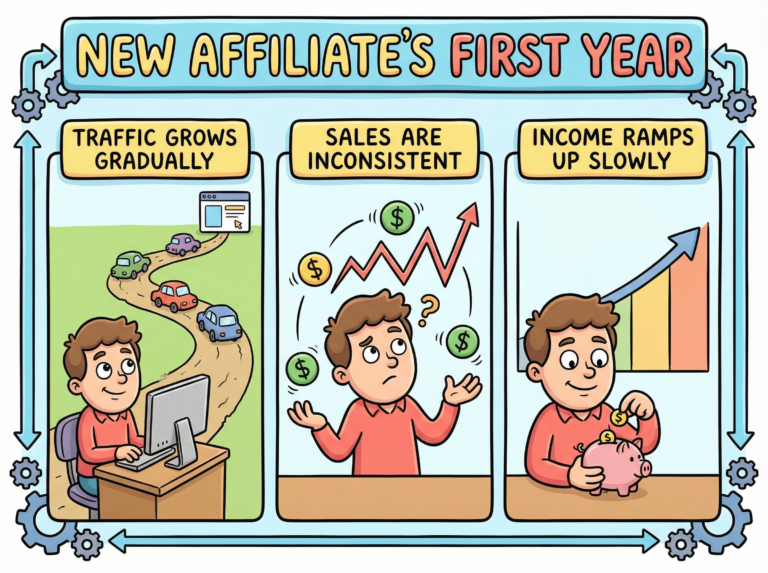
- Slow Earnings: Payouts can be slow, but keep at it. Once I had a handful of useful articles and videos out there, results came quicker than I expected.
Frequently Asked Questions
How much can a beginner actually earn in affiliate marketing?
Most beginners start with small wins—maybe $50 to $100 a month after a few months of regular effort. Bigger earnings come with more content, more visitors, and steady trust-building. As you grow, those numbers can multiply surprisingly fast.
Is it worth building your own website, or can I just use social media?
Starting on social platforms is fine, but having your own website gives you more freedom and long-term stability. A simple site helps you grow organic traffic, control your links, and track performance effectively.
Are there upfront costs involved?
You can get started for almost nothing—just the price of a domain and hosting if you want your own website. Many platforms provide free plans, and training communities like Wealthy Affiliate bundle hosting, site tools, and lessons together.
Final Tips for Building Momentum
Affiliate marketing gets much simpler with a solid game plan and the right tech in your toolbox. Pick a niche you care about, choose reliable affiliate programs, and focus on crafting helpful, honest content. As you improve, learning to track and tweak your approach will really level up your results. Having access to a supportive community and always-fresh lessons made a big difference for me—something I truly valued while sharpening my approach on Wealthy Affiliate.
Your affiliate adventure is yours to shape, but setting off with this handy checklist should make the ride smoother and a lot more rewarding. Hopefully, these pointers help you skip some first-timer pitfalls and reach results faster.