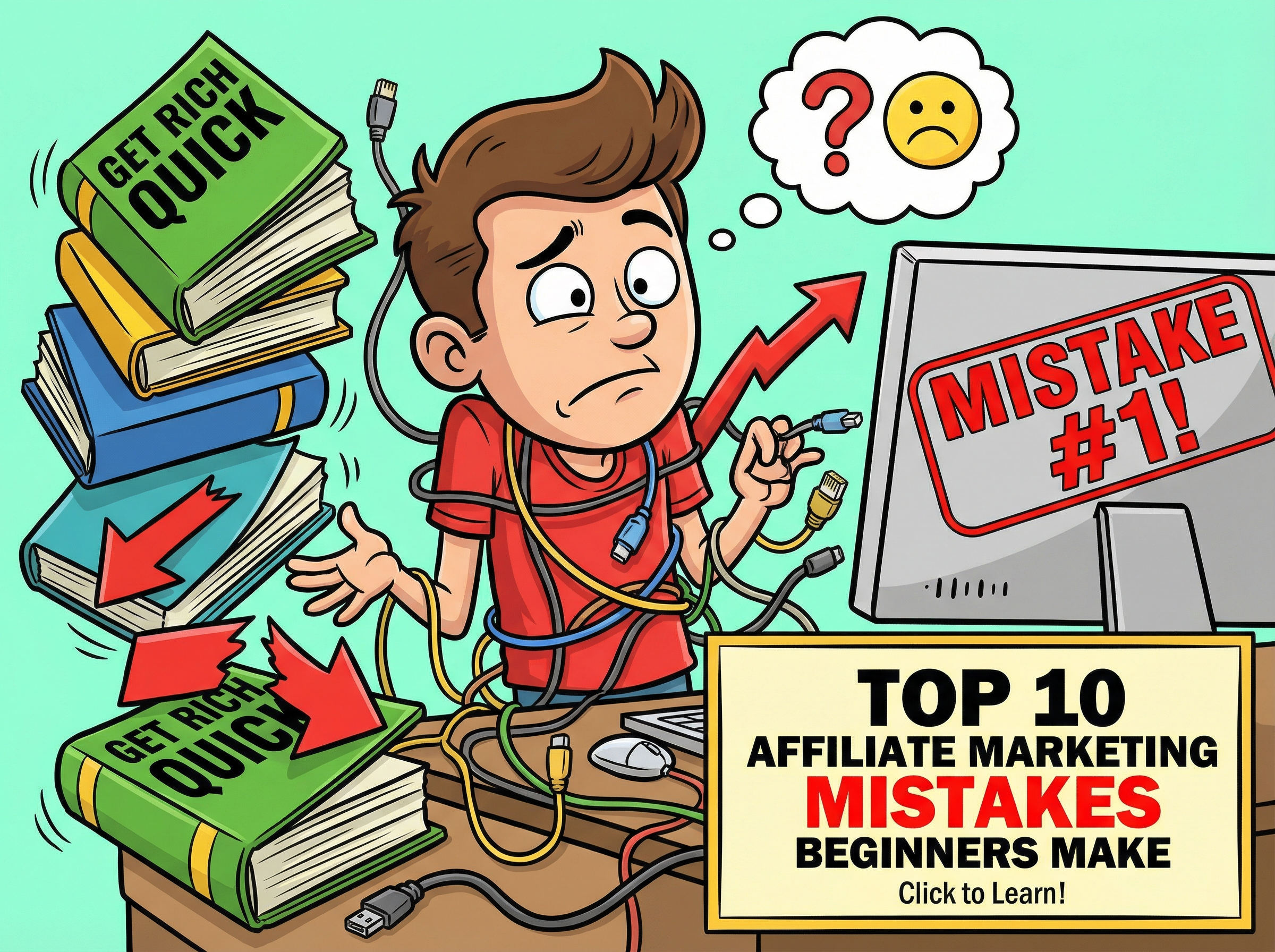

Affiliate marketing sounds like a dream when you’re just getting started. It’s a chance to make passive income by working from anywhere, promoting products you believe in. I remember feeling both excited and overwhelmed when I started my first affiliate funnel. The truth is, a lot of beginners hit the same stumbling blocks, and those hiccups can be pretty frustrating if you don’t know how to avoid them. Here’s a breakdown of the top 10 affiliate marketing mistakes I see beginners make all the time, with my honest advice on how to dodge them and what worked for me along the way.
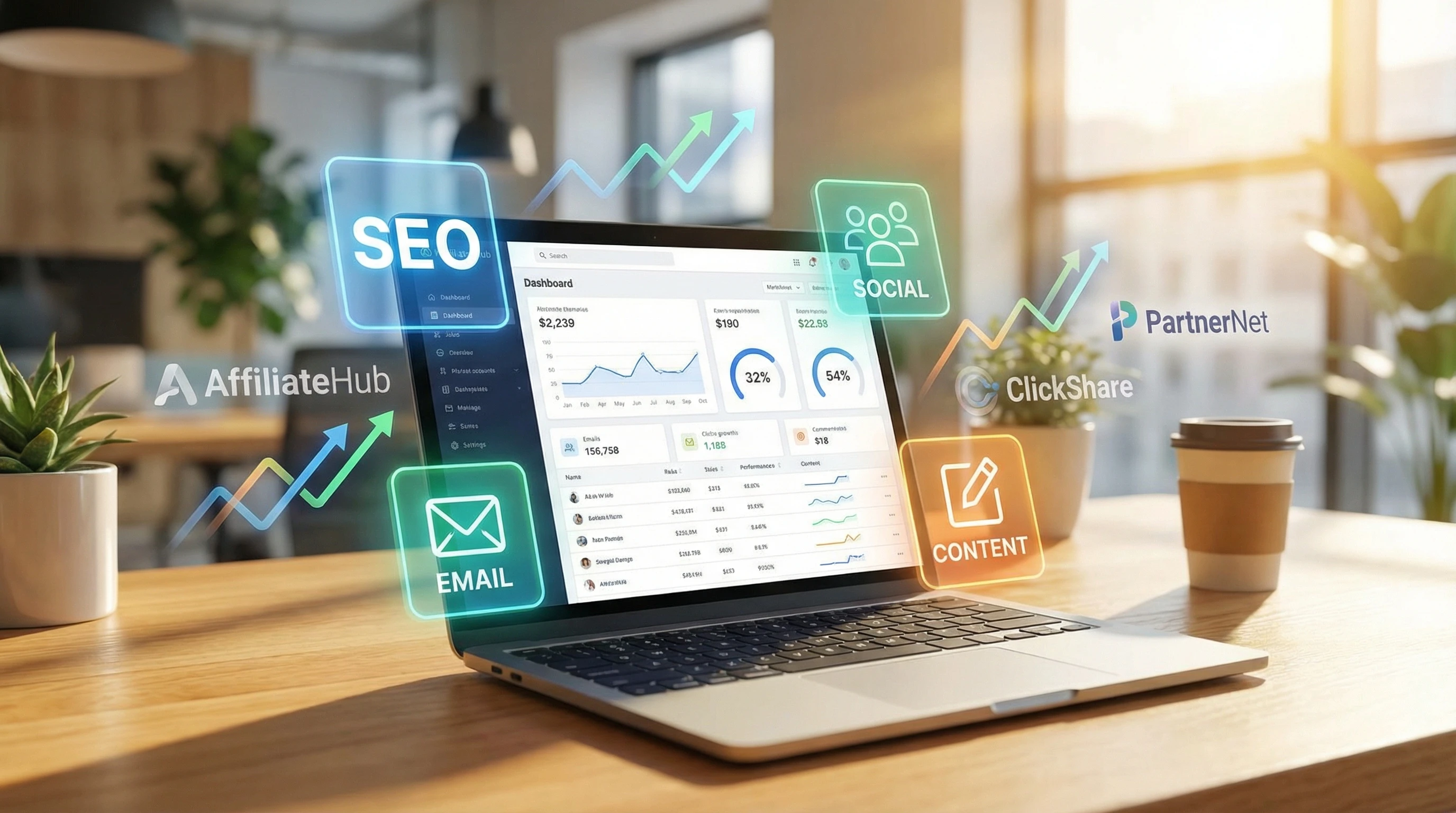
Biggest Affiliate Marketing Mistakes Beginners Make
Jumping into affiliate marketing without a clear roadmap leads to confusion and wasted effort. I’ve seen a lot of people (myself included early on) get tripped up by simple missteps that could have been fixed with a little upfront knowledge. Understanding these common mistakes is really important for steering your affiliate adventure in a smart direction.
Affiliate marketing is growing fast, pushed along by the boom in E-commerce and influencer culture. This growth brings loads of opportunities, but also heaps of competition. Careful research helps buyers make informed decisions, but it’s easy to get caught up in the hype and lose sight of what works best. That’s why I always keep tabs on trends, tools, and proven strategies. There’s almost always something new to learn.
Understanding the Basics of Affiliate Marketing
Affiliate marketing is basically recommending products or services and earning a commission when someone buys through your link. Sounds simple, but there’s a lot happening behind the scenes. Before you can actually earn those commissions, you need to pick the right products, build trust, and learn the basics of how affiliate funnels work.
- Affiliate Funnel: This is the path your visitors take from reading your content to actually making a purchase. A strong funnel uses content, email, and calls-to-action (CTAs) to boost your chances of converting traffic into real income.
- Tracking and Analytics: You need to know what’s working and what’s not, so get familiar with analytics tools. I always recommend setting these up from day one, so you don’t miss out on valuable data later on.
- Choosing a Niche: A niche is your specific area of focus, like fitness, tech, or cooking. Picking the right niche keeps your audience interested and makes your content way more effective.
Main Affiliate Marketing Mistakes Beginners Make (and How to Avoid Them)
Here’s the big list of beginner mistakes I see most often, along with my advice for sidestepping each one. I definitely stumbled over a few myself (especially numbers two and seven!), so you’re not alone if these sound familiar.
- Choosing the Wrong Niche: Picking a niche just because someone said it’s “hot” is a common issue. You’ll feel burnt out quickly if you don’t enjoy the topic or if you don’t know much about it. I had much better results once I focused on something I genuinely cared about.
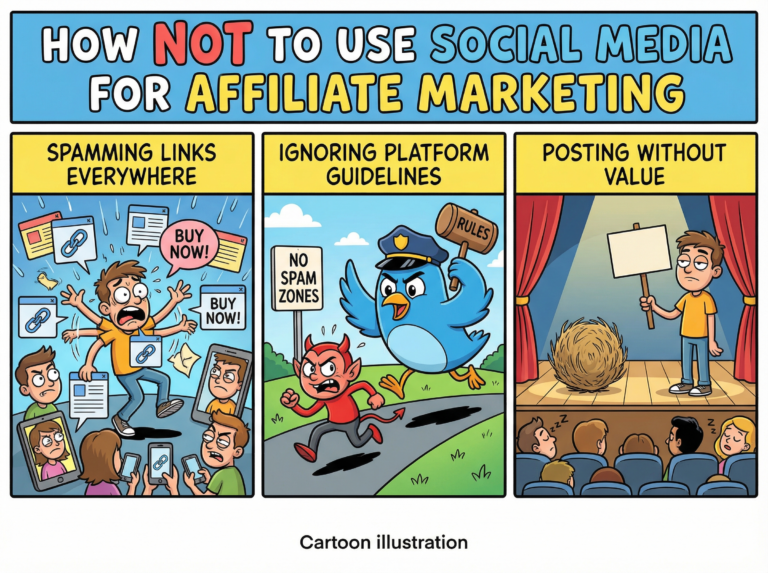
- Not Building Trust: People only buy through your links if they trust your recommendations. Filling your site with product links or going for every high-payout offer makes you look spammy. Focus on sharing honest experiences and real reviews. Authentic content always wins.
- Ignoring Content Quality: Rushed, low quality blog posts or videos turn off visitors instantly. Take the time to research, write, and edit your content. Adding value with tips, tutorials, or stories from your own experience helps build loyalty.
- Overlooking SEO: If you don’t pay attention to search engine optimization, your content may never get seen. I learned to use simple tools like Google Keyword Planner and basic onpage SEO tactics to help my articles show up in search results. Even small improvements make a big difference over time.
- Skipping Email Marketing: Relying only on random website visitors for affiliate sales is tough. Building an email list lets you follow up, offer personal advice, and promote new content. Most of my biggest commissions came from followup emails to my subscribers, not random clicks.
- Not Testing or Tracking: Without tracking your links, you’re guessing what works. Most affiliate programs offer solid dashboards, and tools like Google Analytics help paint an even clearer picture. Adjusting your strategy based on real numbers lets you grow smarter and faster.
- Promoting Too Many Products at Once: Spreading yourself thin by advertising loads of products can muddle your messaging and overwhelm visitors. Stick to a handful of high quality, relevant offers, especially early on. This keeps your content focused and builds trust.
- Forgetting about Mobile Users: A lot of beginners forget to check if their site or email funnels work on mobile. With more than half of traffic coming from phones or tablets, a nonmobilefriendly setup means lost commissions.
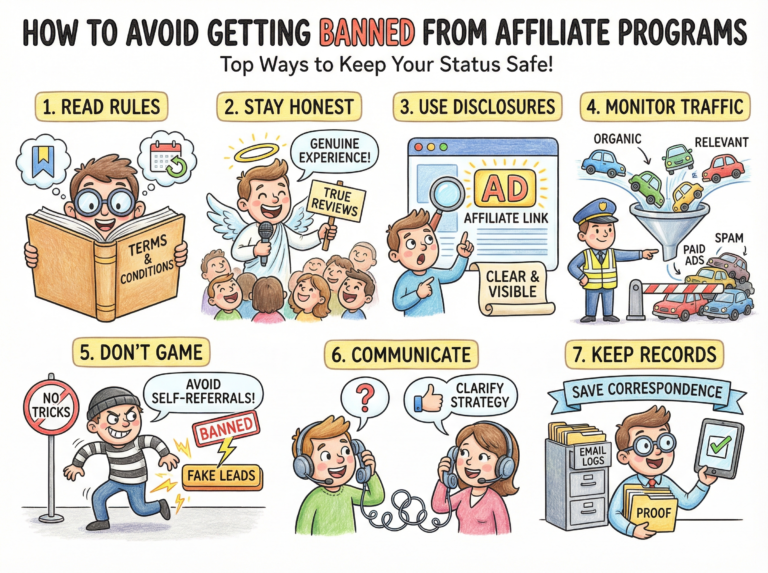
- Disregarding Legal Requirements: It’s easy to brush off things like disclosure and privacy policies, but the FTC requires you to disclose affiliations. Skipping these rules could land you in trouble (plus it just feels sketchy to readers).
- Giving Up Too Soon: Affiliate marketing rewards patience. The first few months can be slow. Sometimes painfully so. I nearly walked away a few times before my effort started to pay off. Consistent updates, trying new things, and staying curious are super important parts of longterm success.
Overcoming Obstacles with the Right Training
Every affiliate faces hurdles growing their funnel and brand, from content slumps to tech issues. The key isn’t avoiding mistakes altogether, but learning and switching up quickly. I realized pretty fast that things get easier when you have a solid support system and reliable tools. That’s where platforms like Wealthy Affiliate really give a boost.
- Community Support: Having access to a community where I could ask dumb questions (and get real answers) was super useful. Seeing how others built their funnels gave me ideas I never thought of before.
- Step by Step Training: Courses covering everything from SEO to writing persuasive reviews helped me learn at my own pace. Instead of struggling to connect the dots, I plugged into lessons and checked off tasks. Wealthy Affiliate does a great job at breaking things down for beginners.
- Tools and Templates: From keyword research tools to website templates, Wealthy Affiliate has a bunch of resources that smooth the way. I found this sped up both content creation and funnel building.
If you want a smoother path, Wealthy Affiliate is worth checking out. It’s not just for complete newbies, either. I still log in for tips and new strategies every month. Their all in one approach meant I could keep everything organized instead of jumping between separate tools and courses.
Advanced Tips: Fine Tuning Your Funnel for Better Results
Once you’re past the basics, some extra tweaks can sharpen your affiliate game. Here are a few things I found useful when looking to take things up a notch and get better results:
Split Test CTAs: Try different calls to action in your articles or emails to see which get the most clicks. A few simple changes (like button color or wording) often make a difference.
Refresh Old Content: Updating older posts with new insights, better offers, or improved formatting pays off by keeping your traffic current and engaged. I saw a nice boost in conversions by doing a quarterly content audit.
Deepen Involvement: Use quizzes, polls, or interactive content to help visitors feel involved. Offering real help or extra resources (like free PDFs) gives them more reasons to come back or join your email list.
Stay on Top of Trends: The affiliate landscape is always changing. Stay up to date with algorithm changes, new affiliate programs, and what’s popular in your niche. Sometimes just being early to a rising trend or new platform can set you apart and open fresh opportunities.
Foster Relationships: Reach out to other bloggers, affiliate marketers, or even people behind the products you promote. Collaborative efforts like guest posts or interviews can help you tap into new audiences and grow your reputation faster.
Invest in Your Learning: Don’t be afraid to spend a little on training, conferences, or premium tools once you’ve validated your niche. A small investment upfront can give you a serious leg up and shave months off your learning curve.
Frequently Asked Questions
What’s a realistic timeline for affiliate income?
While some affiliates see results in their first few months, most need 6 to 12 months for meaningful income. It’s a slow burn, but consistency and learning speed things up.
How do I choose trustworthy affiliate programs?
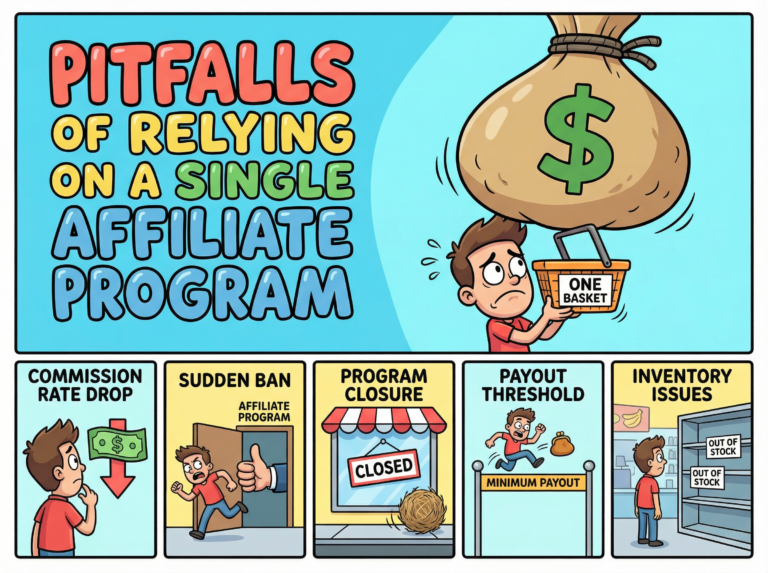
Stick with reputable networks (like Amazon or AWIN (previously ShareASale)) or direct programs with good reviews. Look for clear commission terms and real customer support.
Do I need a website, or can I use social media?
A website is the best long term asset, but you can get started on social platforms. Just make sure to follow platform rules for affiliate links and disclosures.
Making Smart Choices as You Build
Getting started is the hardest part, but avoiding these common mistakes lets you focus on what works, from growing your audience to building your first email list. With the right roadmap and a bit of guidance from trusted sources, affiliate marketing becomes way less intimidating, and a lot more fun. If you want structured training and a bunch of tools to guide you, Wealthy Affiliate is a resource I personally recommend for building funnels that actually convert. Give it a look and see if it fits your adventure!